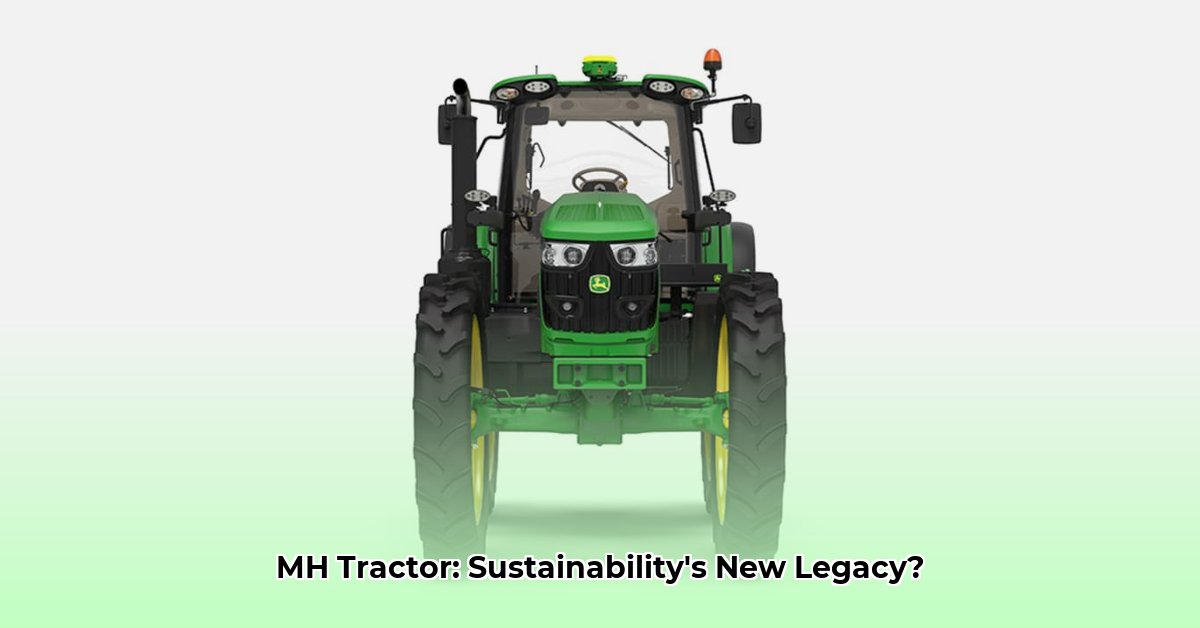
A Century of Progress: Assessing Massey-Harris's Environmental Footprint
The rumble of a Massey-Harris tractor, a sound synonymous with American agriculture for over a century, is today inextricably linked to a crucial question: how can this agricultural icon contribute to a sustainable future? This isn't merely about examining vintage models; it's about analyzing the complete legacy of Massey-Harris, its current parent company AGCO, and their impact on the environment—both historically and presently. For detailed tractor specifications, check out this tractor resource. We will explore how Massey-Harris revolutionized farming efficiency while considering its environmental consequences, both past and present. We will compare its equipment to competitors, analyze ways farmers can leverage Massey-Harris machinery for greener practices, and finally, assess the significance of AGCO's sustainability strategies for Massey-Harris's future and the broader agricultural landscape.
From Horsepower to High-Tech: A Historical Perspective
The early 20th century witnessed a dramatic shift in agriculture. Massey-Harris tractors, powerful machines capable of replacing animal labor, played a pivotal role in this transformation. Larger farms became viable, harvests were accelerated, and global food production soared. This increased output undeniably improved lives and helped feed a burgeoning global population. However, this productivity came at a cost. Did this efficiency inadvertently contribute to the environmental challenges we face today? The answer is complex and requires a nuanced examination.
Precisely quantifying the historical environmental impact of Massey-Harris tractors is difficult due to limited historical data on fuel consumption, emissions, and manufacturing processes. Nevertheless, understanding this legacy requires careful research and a balanced assessment, avoiding simplistic narratives of "good" or "bad."
Balancing Heritage with Contemporary Demands: AGCO's Sustainability Challenge
AGCO, the current steward of the Massey-Harris brand, inherits this complex legacy. The brand's enduring reputation provides a powerful platform, yet necessitates a crucial shift toward sustainability. Consumer expectations and environmental regulations have shifted dramatically; today's farmers, consumers, and environmentalists demand more than just productivity—they demand environmental responsibility.
This presents a significant challenge and a considerable opportunity for AGCO. How effectively is Massey-Harris equipment performing under stricter emission standards and increasing awareness of agriculture's environmental impact? This question demands a transparent and data-driven answer.
A Path Forward: Actionable Steps for Sustainable Agriculture
AGCO's commitment to sustainability must translate into concrete actions, not just marketing pronouncements. This requires a multi-pronged strategy focused on transparency, innovation, collaboration, and farmer education.
A Roadmap for Sustainable Innovation:
Transparency Through Data: AGCO must release comprehensive sustainability reports detailing Massey-Harris's environmental metrics (emissions, resource use, ethical sourcing). This transparency is crucial for building trust with stakeholders.
Investing in Green Technologies: Substantial R&D investment is vital. This means exploring alternative fuels (biofuels, hydrogen), developing fuel-efficient engines, and supporting reduced-impact farming techniques like precision agriculture.
Strategic Partnerships: AGCO should collaborate with farmers, scientists, and environmental organizations to develop best practices for sustainable agriculture. Collective problem-solving is essential.
Empowering Farmers Through Education: AGCO should provide training programs to farmers on optimizing the environmental performance of their Massey-Harris equipment, including precision agriculture techniques.
The journey toward sustainability for Massey-Harris is a shared responsibility. It's a collaborative effort involving manufacturers, farmers, consumers, and policymakers, and it is a demanding challenge, requiring innovation and commitment. However, the potential rewards are immense—a truly sustainable agricultural future.
Massey-Harris vs. Competitors: A Comparative Sustainability Analysis
How does Massey-Harris's equipment compare to its competitors in terms of sustainable farming practices? This assessment demands a thorough examination of several key factors.
While Massey-Harris boasts a long history of technological innovation, a direct comparison with competitors (John Deere, Case IH, etc.) requires a detailed analysis of current offerings. Key areas for comparison include:
Fuel Efficiency: A direct comparison of fuel consumption rates across various models is essential. Lower fuel consumption directly translates to reduced carbon emissions.
Emission Levels: Compliance with emission standards and the adoption of emission-reducing technologies (SCR, DPF) must be thoroughly assessed.
Precision Agriculture Integration: The level of integration with precision farming systems (GPS guidance, variable rate application) significantly impacts resource efficiency.
Durability and Longevity: The lifespan and overall reliability of Massey-Harris equipment compared to competitors are critical sustainability factors. Longer-lasting machines reduce the need for frequent replacements, lowering environmental impact.
Sustainability Initiatives: AGCO's overall sustainability initiatives, including manufacturing processes and end-of-life equipment management, must be considered.
By undertaking a comprehensive comparative analysis, a clear picture of Massey-Harris’s competitive standing within the context of sustainable agriculture will emerge. Only with such data-driven insight can meaningful improvements be made. The future of sustainable agriculture demands nothing less.